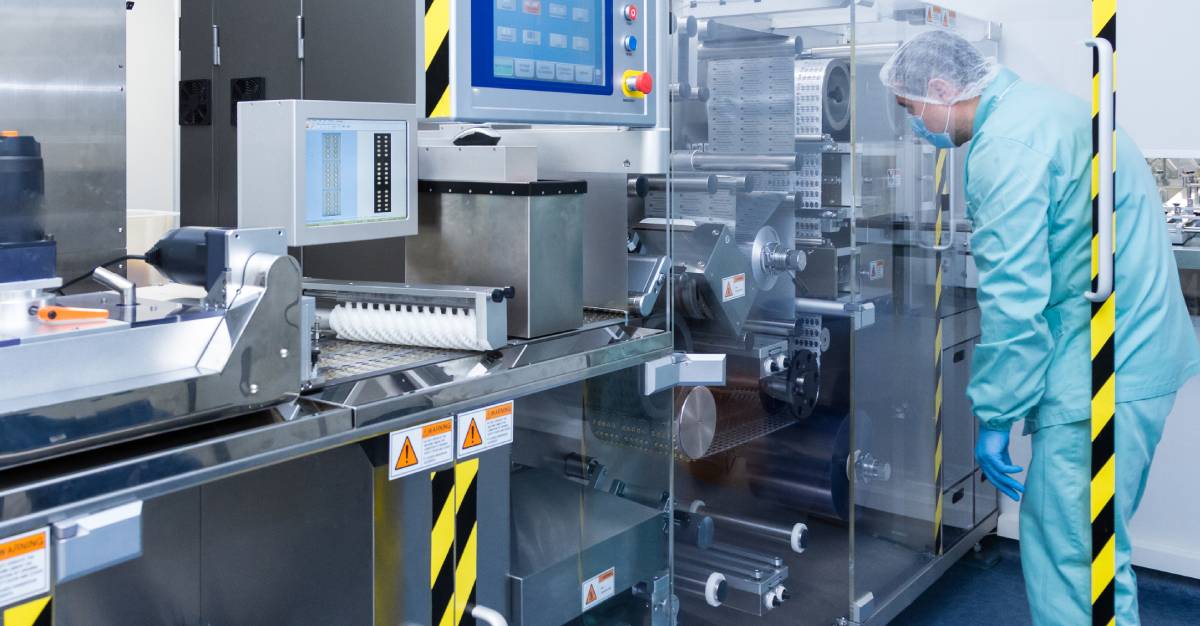
In today’s fast-moving, tech-driven world, supply chain automation is no longer a futuristic concept. It is a competitive necessity. From AI-powered forecasting to automated warehousing and real-time tracking, automation is transforming how goods move from production to delivery. But amid the push for efficiency and scale, one truth remains: automation does not eliminate the need for people. It elevates it. Human oversight is the strategic layer that keeps automated systems aligned to business priorities, risk tolerance, quality expectations, and regulatory requirements.
The Rise of Smart Supply Chains
Modern supply chains are increasingly powered by intelligent systems that can predict demand, optimize routes, and manage inventory with less manual input. These tools can improve planning accuracy, reduce waste, and boost service levels, especially when the organization has strong data discipline and clear operating rules. McKinsey notes that applying AI-driven forecasting in supply chain management can reduce forecast errors significantly and translate into meaningful reductions in lost sales and product unavailability.
At the same time, automation introduces new failure modes. Poor data quality, brittle integrations, and “black box” decision logic can create downstream disruptions that move faster than teams can react if there are not clear checks and escalation paths. That is why human oversight is not optional. It is part of making automation safe, resilient, and repeatable.
Why Human Oversight Still Matters
Contextual decision-making
Automation is strong at patterns and rules. It is weaker when circumstances change quickly or when tradeoffs are not purely mathematical. Supplier instability, transportation interruptions, quality events, or sudden shifts in demand often require judgment calls that weigh patient impact, compliance obligations, reputational risk, and long-term cost. Humans provide the situational awareness to choose the “right” decision, not just the fastest one.
Data validation and quality control
Automated decisions are only as reliable as the data they ingest. Human oversight is essential for validating inputs, investigating anomalies, and ensuring that forecasting signals, inventory data, and supplier performance metrics are accurate and current. Without that layer, automation can scale errors just as efficiently as it scales success.
Resilience and disruption response
A resilient supply chain is not one that never breaks. It is one that can continue to serve demand under disruption and adapt when conditions change. The National Academies highlights resilience as the ability to continue serving demand under disruption with flexibility and the ability to adapt, which reinforces why oversight, controls, and response playbooks matter even in highly automated systems.
Relationship management and accountability
Supply chains run on trust, communication, and negotiated expectations across suppliers, logistics partners, regulators, and customers. Automation can speed coordination, but humans sustain relationships and enforce accountability. Oversight also clarifies responsibility when automation contributes to a costly decision or an unacceptable outcome.
Striking the Right Balance
The goal is not humans versus machines. It is designing systems where each complements the other. Automation should handle repetitive, data-heavy workflows, while humans focus on governance, exception handling, continuous improvement, and risk-based decision-making. The best programs build clear decision rights, transparent escalation triggers, and feedback loops where frontline insights improve the automated model over time.
Final Thoughts
In a world where automation is powerful but not infallible, human oversight is essential to transforming technology into a precision tool. It protects against blind spots, reinforces resilience during disruptions, and ensures decisions align with quality, compliance, and patient impact. At Syner-G, we focus on the intersection of workforce transformation and quality compliance, recognizing that as job structures evolve in an AI-driven landscape, a skilled and adaptable workforce becomes crucial for success.
We partner with life sciences teams to establish robust governance around tech-enabled operations, including GxP-ready processes and inspection-ready quality systems that support automated workflows. By developing practical oversight models—such as SOPs, control frameworks, and training—we help organizations modernize their supply chains in a way that is scalable, compliant, and resilient. Together, we can harness technology to enhance performance while keeping human insight at the forefront.