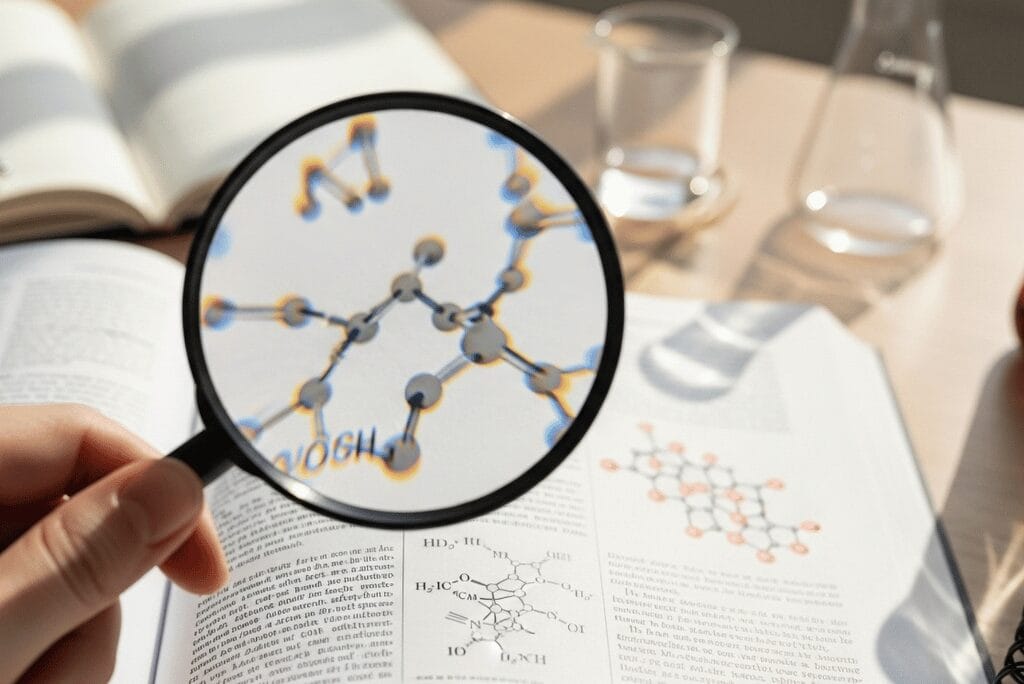
Advances in biotechnology have reshaped the landscape of drug discovery, unlocking new approaches to treating complex diseases. At the center of this progress are large molecules—biologically derived drugs that offer a level of precision small molecules often can’t match. From therapeutic proteins to monoclonal antibodies, these agents enable targeted interventions in conditions once considered difficult to treat.
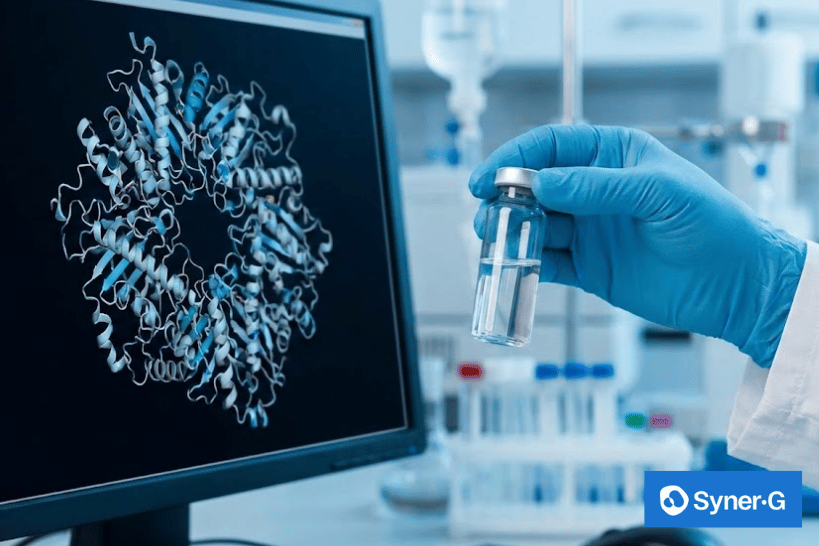
The Role of Large Molecules in Modern Drug Discovery
Large molecules, also called biologics or macromolecules, have become central to modern drug discovery and discovery sciences as a whole. Unlike small-molecule drugs, which are chemically synthesized, large molecules are typically produced by living cells through complex biological processes. These molecules include therapeutic proteins, monoclonal antibodies, enzymes, and nucleic acid-based drugs.
Their size and complexity allow large molecules to target disease pathways that small molecules cannot. This capability is transforming treatments for complex diseases, including cancer, autoimmune disorders, and rare genetic conditions.
Why Large Molecules Matter in Therapeutic Development
Large molecules offer unique clinical advantages. They can bind with high specificity to target proteins and cells. This means they often have fewer off-target effects, which lowers the risk of certain side effects.
Therapeutic proteins, such as insulin and monoclonal antibodies, are used to either supplement missing proteins or inhibit harmful biological activity. With their targeted action, large molecules play a critical role in treating diseases at their source.
Analytical Characterization and Quality Control
The complexity of large molecules demands precise analytical characterization. Scientists must confirm that molecular structure, stability, purity, and biological activity meet strict regulatory standards.
Key analytical methods include:
- High-performance liquid chromatography (HPLC): Separates components to study purity and degradation.
- Mass spectrometry: Identifies and characterizes molecular weight and structure.
- Capillary electrophoresis: Evaluates charge variants and purity.
- Bioassays: Confirm the mechanism of action (MOA) by measuring biological activity.
These quality control processes are essential throughout drug development—from research to manufacturing—to ensure consistency, safety, and efficacy.
Related Article: Understanding Large Molecule Manufacturing
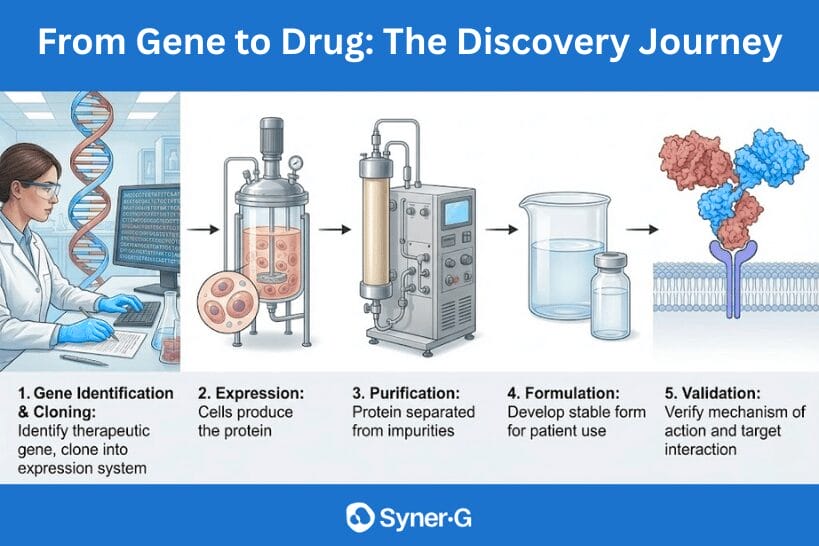
From Gene to Drug: The Discovery Journey
The journey of a large molecule drug begins with gene identification. Scientists first identify a gene that encodes a therapeutic protein. Using tools from molecular biology, they clone the gene into expression systems, often using mammalian cells.
The protein is produced, purified, and analyzed through extensive testing:
- Expression: Cells produce the protein.
- Purification: The protein is separated from impurities.
- Formulation: Scientists develop a stable form for patient use.
Validation includes verifying the molecule’s mechanism of action, ensuring it interacts with its target as expected.
Related Article: Formulation Strategies for Large Molecule Drug Products
Challenges in Developing Large Molecules
Bringing large molecules from the lab to the clinic involves a different set of challenges than those seen with small-molecule drugs. One of the key differences is in how they’re made. Rather than being chemically synthesized, large molecules are produced by living cells. Maintaining the consistency and purity of these biologics requires tightly controlled manufacturing conditions, which adds complexity and cost.
Stability is another concern. Proteins are fragile by nature—they can degrade or lose function when exposed to changes in temperature, pH, or even during handling. This makes formulation and storage more difficult compared to more stable small molecules.
There’s also the issue of how the body reacts. Because these drugs are derived from biological sources, the immune system can sometimes see them as foreign and mount a response. This immunogenicity, while not always predictable, can reduce the effectiveness of the drug or lead to adverse effects in patients.
Finally, the regulatory environment for biologics is more demanding. Given their complexity, regulatory agencies often require more rigorous analytical characterization, including in-depth studies on structure, function, and consistency across batches.
Despite these obstacles, continued advances in biotechnology are streamlining development. Improvements in cell line engineering, purification technologies, and analytical tools are helping teams overcome historical limitations in biologics drug development.
Therapeutic Classes and Applications
Large molecule drugs fall into several therapeutic classes and target a wide range of diseases:
- Monoclonal antibodies: Treat cancer, chronic inflammatory diseases, and infectious conditions.
- Hormones and growth factors: Such as insulin or erythropoietin, are used in metabolic and hematologic disorders.
- Enzyme replacement therapies: Address rare genetic diseases by compensating for missing enzymes.
- Gene therapies and RNA-based drugs: Modulate gene expression to treat inherited conditions.
These biologic therapies are reshaping how we tackle both common and rare diseases.
MOA Diagrams and Case Examples
Mechanism of action (MOA) diagrams help illustrate how therapeutic proteins function within the body. For example:
- A monoclonal antibody binds to a cancer cell receptor, preventing tumor growth.
- An enzyme therapy enters a cell and breaks down toxic metabolites.
Clinically, trastuzumab (a large molecule) targets HER2-positive breast cancer by inhibiting cell proliferation. Another example is etanercept, used to treat rheumatoid arthritis by binding tumor necrosis factor-alpha (TNF-α) and reducing inflammation.
The Future of Large Molecule Innovation
The future of large molecule drug discovery includes advancements in mRNA-based therapies, engineered antibody fragments, and cell-based treatments such as CAR-T. Improved expression systems and purification technologies are making production more efficient and scalable.
As analytical characterization tools evolve, researchers can better design and refine therapeutic proteins. This provides greater specificity, lower immunogenicity, and enhanced efficacy in the clinic.
Frequently Asked Questions
What are large molecules in drug discovery?
Large molecules, or biologics, are complex drugs made using living cells. They include proteins, antibodies, and other biologically derived products used to treat various diseases.
How do large molecules differ from small-molecule drugs?
Large molecules are structurally complex and produced biologically, while small molecules are chemically synthesized and simpler in structure. Large molecules often have higher specificity but are harder to manufacture and deliver.
What therapeutic classes use large-molecule drugs?
Large molecules are used in oncology, autoimmune diseases, metabolic disorders, genetic conditions, and infectious diseases. Common examples include monoclonal antibodies, hormones, and enzyme therapies.
What analytical methods are used for large molecule characterization?
Methods include chromatography, mass spectrometry, electrophoresis, and bioassays. These techniques assess purity, structure, and biological activity to ensure quality and function.
What challenges are unique to large molecule drug development?
Challenges include complex manufacturing, stability issues, immune system reactions, and stricter regulatory demands due to the molecules’ biological origin and variability.