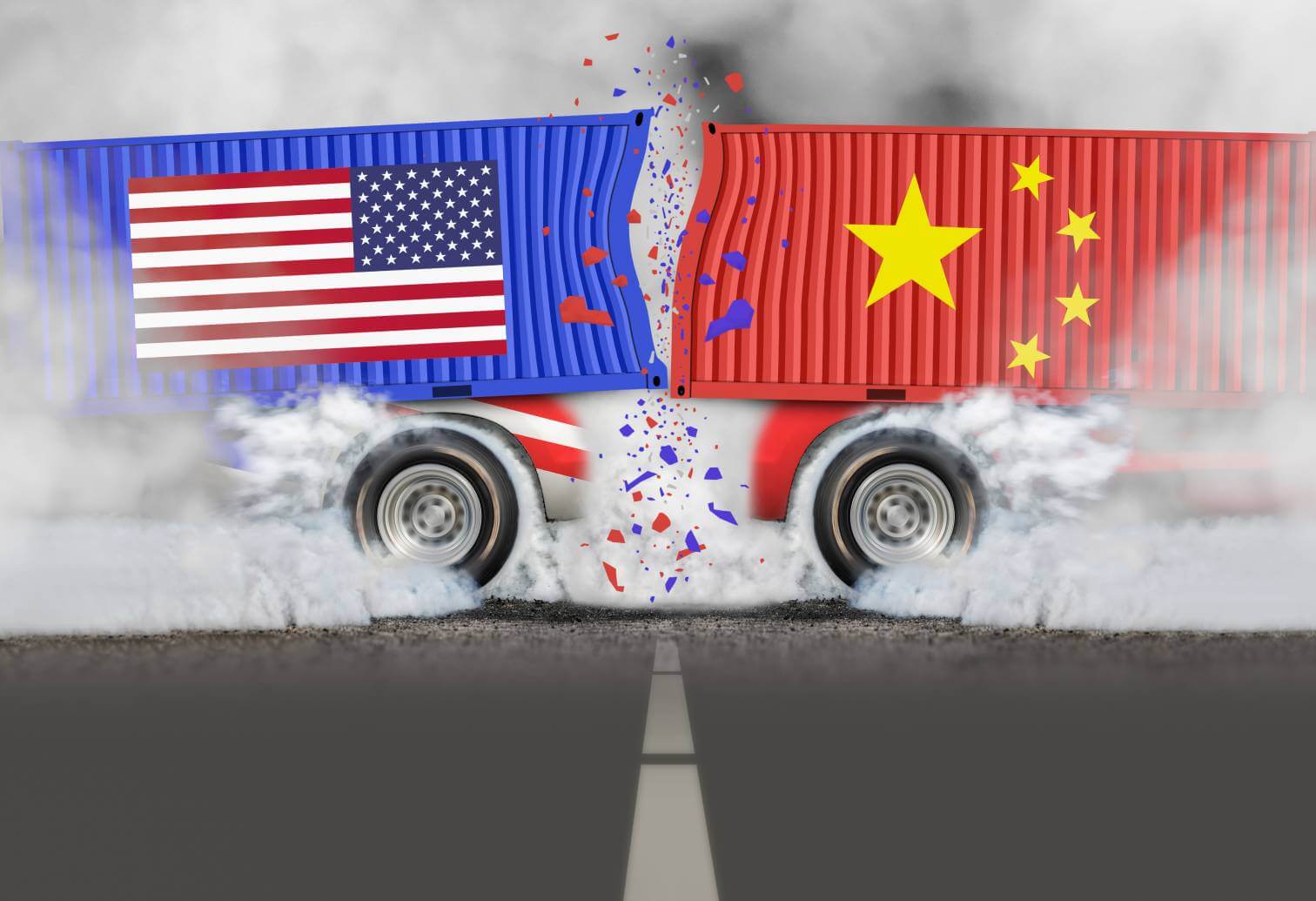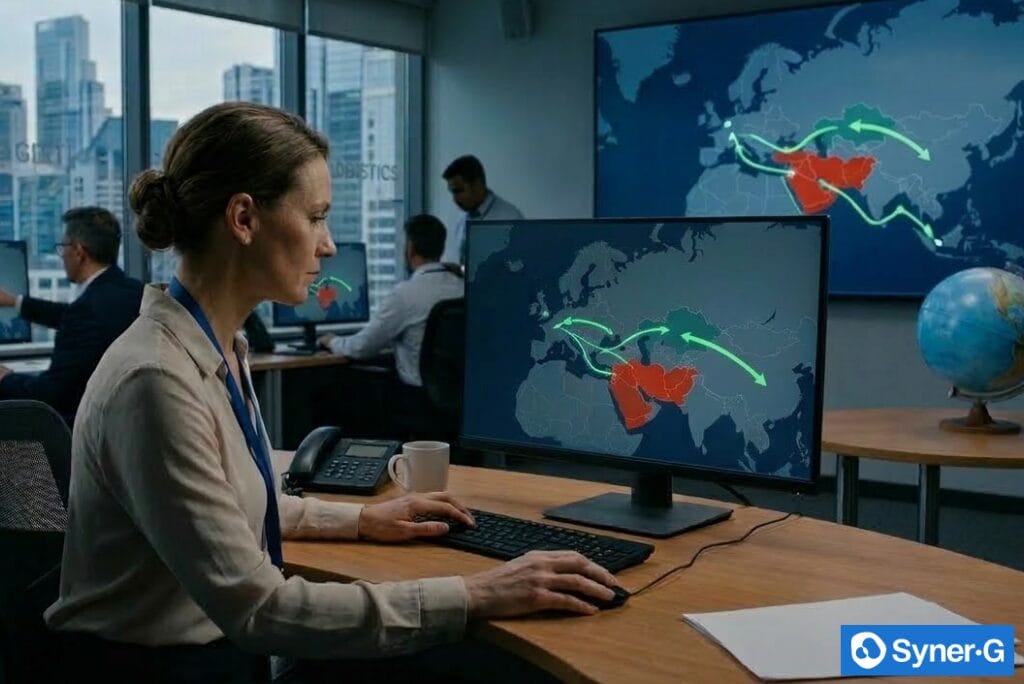
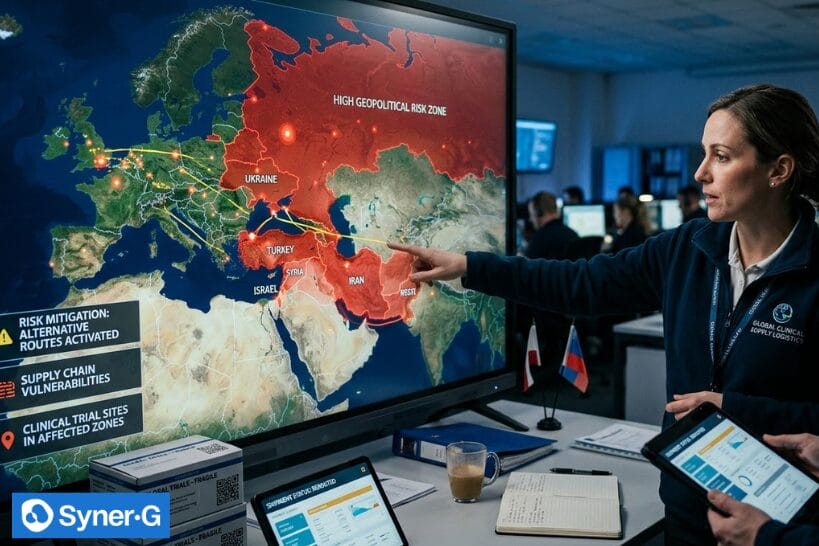
Global events, including trade tensions, tariffs, conflicts, and regulatory changes, have made geopolitical risk a constant operational variable for the clinical trial supply chain. These disruptions are more than logistics issues; they delay shipments, threaten dosing schedules, jeopardize patient retention, and compromise data integrity. Predictable, reliable supply performance is now difficult to guarantee.
This reality demands a strategic shift.
Organizations must move beyond reactive measures and integrate proactive risk mitigation into trial design and supply chain management. This approach offers measurable benefits: greater resilience, reliable timelines, and stronger protection for both patients and study outcomes.
Understanding and addressing vulnerabilities is essential for navigating today’s complex global environment.
The Evolving Risk Landscape
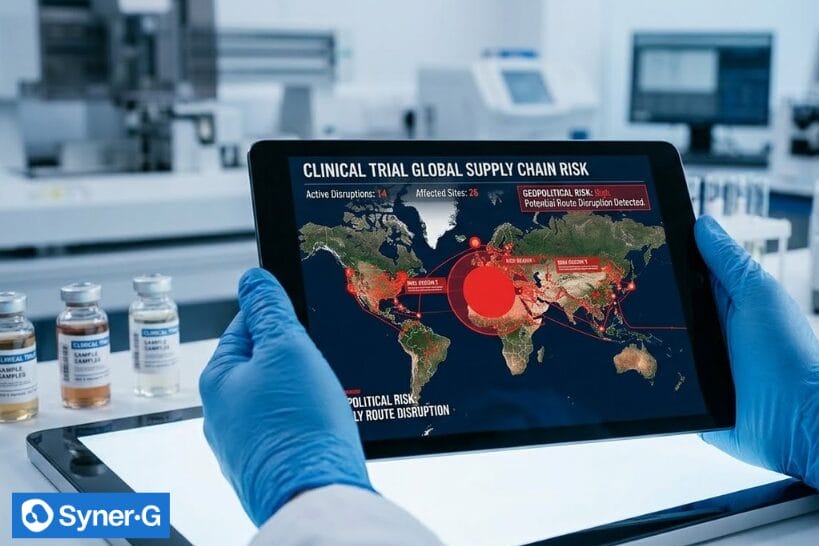
Geopolitical risk in clinical trial supply chains manifests through multiple interconnected channels, each capable of creating significant operational disruptions. What distinguishes the current environment is not the existence of these risks but their frequency, unpredictability, and tendency to compound one another.
Clinical operations teams must now monitor and plan for an expanding range of potential supply chain threats:
- Trade policy shifts and tariffs: Sudden changes in import duties or trade agreements can increase costs overnight and create customs bottlenecks that delay critical shipments
- Export restrictions: Governments may limit the movement of raw materials, active pharmaceutical ingredients, or finished products, particularly during public health emergencies or diplomatic tensions
- Regional instability: Armed conflicts, political upheaval, or civil unrest can render established shipping routes inaccessible or unsafe
- Regulatory divergence: Evolving requirements across jurisdictions create compliance complexity, particularly when documentation or packaging standards change mid-trial
- Transportation infrastructure stress: Port congestion, carrier capacity limitations, and labor actions can interrupt even well-planned logistics networks
Disruptions rarely occur in isolation; a tariff dispute might coincide with carrier shortages, or regional conflict could prompt regulatory changes that affect clinical supply movement.
For clinical trial sponsors, these interconnected vulnerabilities lead to concrete consequences: temperature excursions, protocol deviations from missed dosing, and the administrative burden of documenting supply variances. Acknowledging these risks is vital for building resilience in trial operations.
The True Cost of Supply Chain Disruptions
When clinical trial supply chain risk materializes into actual disruptions, the financial and operational consequences extend well beyond the immediate logistical challenge.
Understanding the full scope of these costs helps clinical operations leaders justify investments in proactive risk mitigation strategies.
Direct Financial Impact
Direct costs accumulate rapidly during supply emergencies. Expedited shipping via air freight can cost ten to twenty times more than standard transportation methods.
When investigational products expire due to delays or temperature excursions, sponsors absorb not only the material costs but also the manufacturing time required for replacement batches. Sites awaiting delayed shipments may require additional engagement efforts, and staff time devoted to crisis management diverts resources from other critical trial activities.
Operational and Timeline Consequences
The indirect costs often prove more damaging to overall program success. Patient discontinuation rates increase when dosing schedules are interrupted, compromising both retention metrics and data quality.
Protocol deviations related to supply issues require documentation, review, and potentially regulatory notification, creating an administrative burden and audit risk.
In severe cases, disruptions affecting multiple sites simultaneously can delay database lock and extend overall trial timelines by months.
Risks to Data Integrity and Patient Safety
Most critically, supply chain failures can undermine patient safety and data integrity. Clinical research depends on consistent, controlled delivery of investigational products. When that consistency breaks down, the scientific foundation of the trial weakens.
Sponsors who view supply chain management as merely a logistics function rather than a strategic priority expose their programs to risks that no amount of reactive problem-solving can fully remediate.
Building Resilient Clinical Supply Strategies
Effective mitigation of clinical trial supply chain risk demands proactive planning and infrastructure investment. Sponsors that strengthen their technical operations and delivery infrastructure are better positioned to respond quickly when disruptions affect shipment timing, inventory access, or trial continuity.
Diversification and Regional Positioning
Geographic concentration creates vulnerability. Organizations should mitigate this by using multiple qualified suppliers in different regions and placing clinical supplies closer to patients. Regional packaging and distribution hubs offer faster response times and reduce dependence on a single transportation corridor, ensuring alternatives are available if one route is compromised.
Visibility and Monitoring Systems
Effective supply chain management depends on real-time information. Advanced tracking systems provide continuous visibility into shipment location, temperature status, and estimated arrival times. This transparency enables clinical operations teams to identify potential problems before they become crises, allowing for proactive intervention rather than reactive scrambling.
Strategic Inventory and Contingency Planning
Key strategies for building supply chain resilience include:
- Maintaining safety stock at strategic locations to buffer against unexpected delays
- Developing documented contingency protocols that define response procedures for common disruption scenarios
- Establishing flexible logistics partnerships with carriers offering multi-modal capabilities
- Creating pre-approved alternative routing options for high-risk shipping lanes
- Conducting regular scenario planning exercises to test organizational readiness
Strong contingency planning is essential for maintaining timelines, protecting patient dosing schedules, and strengthening clinical-stage support when supply chain disruptions occur.
The Value of Strategic Partnerships
Clinical supply partners offering established global infrastructure, regulatory expertise, and proven contingency capabilities are strategic assets, not just transactional services. Early collaboration embeds risk mitigation throughout trial planning, providing the necessary depth and flexibility for sponsors in a volatile environment.
Strategic Preparedness as Competitive Advantage
In an environment where geopolitical uncertainty has become constant, clinical trial supply chain risk management represents more than defensive planning. Organizations that invest in resilient clinical supply infrastructure position themselves to execute trials faster and more reliably than competitors still operating in reactive mode.
The advantages compound over time.
Sponsors with established contingency protocols experience fewer delays, maintain stronger site relationships, and keep patients on schedule without interruptions that could affect outcomes or retention. Regulatory agencies increasingly expect sponsors to demonstrate supply chain oversight capabilities, making proactive planning both an operational and compliance imperative.
The question facing clinical operations leaders is not whether disruptions will occur but how effectively their organizations will respond. Evaluating current vulnerabilities and investing in strategic resilience now will determine which sponsors thrive amid continued global volatility.
Navigating Uncertainty with Confidence
The clinical trial supply chain challenges presented by today’s geopolitical landscape are significant but not insurmountable. Sponsors who acknowledge these realities and take deliberate action to address them protect their trials, their patients, and their investment in clinical research.
Building resilience requires commitment: diversifying supply sources, investing in visibility systems, strategically positioning inventory, and partnering with clinical supply organizations that offer global expertise and proven contingency capabilities. These measures transform supply chain management from a vulnerability into a source of operational strength.
For clinical operations leaders ready to assess their current risk exposure and explore strategies for building more resilient supply networks, the time to act is before the next disruption—not after.
Frequently Asked Questions
What are the 7 different types of supply chain risks?
The seven primary supply chain risk categories include demand variability, supply disruptions, logistics and transportation failures, regulatory and compliance changes, geopolitical instability, environmental and natural disasters, and cybersecurity threats. Geopolitical disruption can also create added complexity around regional requirements, packaging changes, and compliance expectations, making strong scientific, regulatory, and quality support essential for maintaining trial continuity. Each category can independently or collectively impact clinical trial supply chain performance.
What are the risks involved in clinical trials?
Clinical trials face risks spanning patient safety, data integrity, regulatory compliance, enrollment challenges, and supply chain disruptions. Supply-related risks specifically threaten dosing schedules, product quality, and overall trial timelines when investigational materials fail to reach sites as planned.
How to identify supply chain risks?
Organizations identify supply chain risks through a comprehensive mapping of suppliers, transportation routes, and regulatory requirements across all trial regions. Regular scenario planning, real-time monitoring systems, and ongoing assessment of geopolitical and logistical vulnerabilities enable clinical operations teams to detect threats before they escalate into disruptions.